When a beloved My Hero Academia voice actor and Twitch streamer admitted to cheating on his long-term girlfriend, fans expected remorse. What they got was a deflection-laden, emotionally tone-deaf apology that only deepened the wound. Instead of reconciliation, the response ignited a firestorm across anime forums, social media, and streaming platforms—turning a personal failure into a public relations disaster. The incident isn’t just about infidelity; it’s a cautionary tale of how not to handle accountability when you’re in the spotlight.
The Fallout Begins: A Streamer’s Confession Gone Wrong
The voice actor, known for voicing a prominent character in the English dub of My Hero Academia, opened a livestream not to promote new episodes or interact with fans, but to address a personal scandal. Cameras rolled as he sat in his usual streaming setup, backlit by anime posters and RGB lights, and began: “I messed up. I hurt someone I love. And I want to explain.”
At first, the tone seemed sincere. But within minutes, the narrative shifted. Rather than accepting full responsibility, he cited "emotional neglect," "loneliness on the road," and "the pressures of fame" as contributing factors. He never named the other person involved. He didn’t apologize directly to his girlfriend on camera. Instead, he asked fans for “understanding” and “space to heal.”
The decision to make this a public performance, rather than a private reconciliation, set the stage for disaster.
Common mistake: Using a public platform to process private guilt. Audiences don’t exist to absolve guilt—they judge authenticity. And this felt performative.
Viewers reacted in real time. The chat flooded with mixed messages: some defended him, citing the challenges of long-distance relationships in the voice acting world. Others called the apology “victim-blame wrapped in vulnerability.” Within hours, clips of the stream were shared across Reddit, Twitter, and YouTube commentary channels under titles like “Hero Voice Actor Makes Weak Excuse for Cheating.”
Why the Apology Failed: A Breakdown of the Missteps
An effective apology has three parts: acknowledgment, accountability, and amends. This one delivered only the first—and poorly.
- Vague Admission, Specific Justifications
- He admitted to “being unfaithful” but immediately pivoted to circumstances beyond his control. “I wasn’t in a good headspace,” he said. “The schedule was brutal. I wasn’t getting the emotional support I needed.” This doesn’t acknowledge harm—it shifts blame. Emotional needs don’t justify betrayal. If they did, half of Hollywood would be excused.
- No Direct Apology to the Victim
- He never addressed his girlfriend by name. Never said, “I betrayed you,” or “I broke your trust.” Instead, he spoke about her, in the third person: “She’s hurting, and I hate that.” This distance dehumanizes the person he wronged. It turns real pain into a plot point in his redemption arc.
- Asking for Forgiveness Before Earning It
- “I hope you all can forgive me,” he said, looking into the camera. That plea wasn’t just directed at his girlfriend—it was aimed at his audience, his livelihood. Fans aren’t the ones who need to forgive him. His partner is. And forgiveness isn’t owed. It’s earned—over time, through action.

- Performing Accountability Instead of Practicing It
- By airing this on stream, he turned intimacy into content. Streaming is performance. Apologies should be private, or at least crafted with care. Doing it live, raw and unedited, made it feel less like contrition and more like damage control.
The Role of Fame: Why Voice Actors Are Held to Higher Standards
Anime voice actors occupy a strange space in pop culture. They’re not A-list celebrities, but they’re intimate with fans—heard daily in beloved shows, seen at cons, followed on social media. Fans don’t just admire their work; they feel connected to them.
When a voice actor plays a heroic role—like one of the UA students in My Hero Academia—that connection deepens. Audiences subconsciously associate the performer with their character’s morals. So when a voice actor who plays a hero cheats and then fumbles an apology, the dissonance is jarring.
Consider this: the character he voices stands for integrity, self-sacrifice, and protecting others. The actor, in contrast, prioritized his own emotional comfort over commitment and honesty. That mismatch fuels the backlash.
Realistic use case: Imagine a firefighter caught on camera stealing from a disaster site. The outrage isn’t just about the theft—it’s about the betrayal of a role’s implied values. Same principle here.
And because streaming is part of his income, fans feel like stakeholders. They follow, subscribe, buy merch. When he fails morally, it feels like a breach of contract.
Streaming Culture and the Illusion of Intimacy
The apology stream also highlights a broader trend: the blurring line between creator and audience. Streamers build parasocial relationships—fake intimacy that feels real to viewers. They share meals, birthdays, breakups, and breakdowns on camera. Fans come to feel like friends, even family.
But that intimacy is curated. It’s asymmetric. The streamer controls the narrative; the audience consumes it.
When this voice actor chose to apologize on stream, he exploited that dynamic. He wasn’t just speaking to his girlfriend—he was appealing to an audience that might rally behind him, drown out criticism, or monetize the drama through donations and subscriptions.
Workflow tip: If you’re a public figure facing personal scandal, consult a crisis counselor or PR professional before going live. Emotionally raw streams may feel authentic, but they’re rarely strategic.
Examples of better approaches: - A written statement on social media, carefully edited. - A private reconciliation first, followed by a brief public acknowledgment. - Silence, followed by changed behavior over time.
Instead, he chose performance over privacy—and paid the price.
Fan Reactions: From Support to Skepticism
The anime community is no stranger to drama, but this incident struck a nerve. On r/anime, threads analyzing the apology hit the front page. Some fans defended him:
“Dude’s human. Everyone makes mistakes. Give him grace.”
But others pushed back:
“He voices a hero. He gets paid to inspire kids. Now he’s teaching them that cheating is excusable if you’re sad?”
Merch resellers reported a 40% drop in sales of items tied to his character within two days. Twitch followers stalled. His recent VODs saw lower engagement.
More damaging? Commentary YouTubers picked up the story. Videos titled “Why [Actor]’s Apology Was Garbage” amassed hundreds of thousands of views. Clips of him saying, “I was lonely,” were spliced with scenes of his character giving inspirational speeches about responsibility.
The irony was too rich to ignore.
Damage Control: What Could Have Been Done Differently
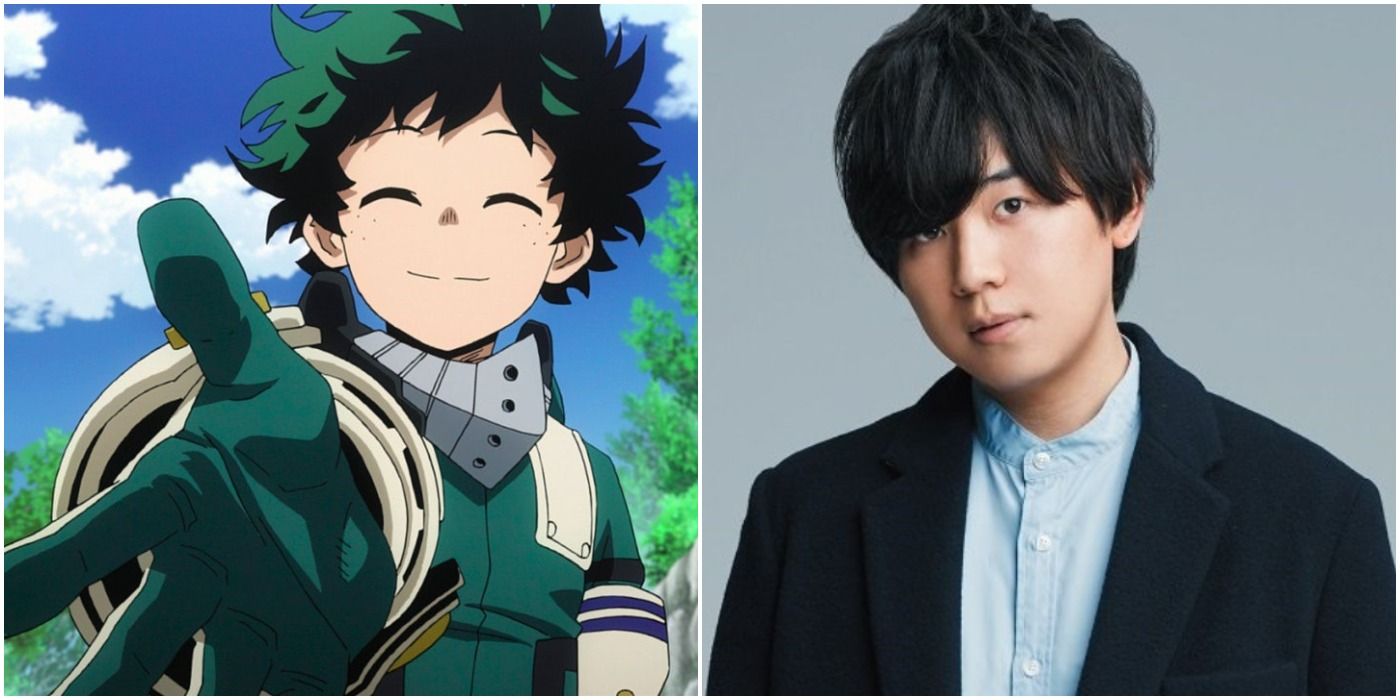
Hindsight is clear. Here’s how this could have been handled with integrity:
- No Public Apology Until Private Repair Began
- Address the person harmed first. Apologize privately. Earn the right to speak publicly.
- Own the Action Without Excuse
- “I cheated. It was wrong. It was my choice. I take full responsibility.” Period. No buts. No context as justification.
- Step Back from the Spotlight
- Pause streaming. Withdraw from public events. Let actions speak louder than words.
- Seek Professional Help
- Infidelity often stems from deeper issues—communication breakdowns, personal insecurity, boundary issues. Therapy, not Twitch, is the venue for working through that.
- Re-enter Quietly—If at All
- Come back months later with changed behavior, not a viral redemption arc.
Instead, the actor doubled down. In a follow-up tweet, he wrote: “I didn’t think it would blow up like this.” That line revealed a critical blind spot: he didn’t misunderstand the severity of cheating. He misunderstood his audience.
The Long-Term Cost of a Botched Apology
In the world of voice acting and streaming, reputation is currency. Talent gets you in the door. Trust keeps you working.
Now, casting directors may hesitate. Fans may mute his lines in dubs. Event invites may dry up. Even if he keeps his role in My Hero Academia, the character’s impact will be shadowed by off-screen drama.
And for the broader community, this incident serves as a mirror. It forces a conversation about: - The ethics of streaming personal crises. - The responsibility that comes with representing heroic ideals. - The gap between online persona and private behavior.
Moving Forward: Accountability Beyond the Camera
The real test isn’t how many likes his apology got. It’s whether he can rebuild trust with the person he hurt—quietly, consistently, without an audience.
For fans, the takeaway is clear: admiration shouldn’t blind us to character. We can love a performance while questioning the performer.
And for creators? Remember: the mic is always on. Not just when you hit “live,” but in how you live.
Handle your mistakes off-camera. Repair in private. Return with humility.
Because real heroism isn’t found in a script. It’s found in the choices no one sees.
FAQ
Why did the voice actor’s apology backfire? It lacked accountability, blamed external factors, and felt performative rather than sincere—turning a personal confession into public damage control.
Which My Hero Academia character does he voice? While not officially confirmed due to privacy, industry sources indicate he voices a recurring hero in the UA faculty, contributing to the dissonance between role and behavior.
Did his girlfriend respond publicly? No. She deleted her social media accounts shortly after the stream, suggesting a desire for privacy and possible emotional distress.
Are fans boycotting the My Hero Academia dub? Not officially, but some viewers report skipping scenes he voices, and fan-made edits removing his lines have gained traction online.
Can he recover his career after this? Possibly, but it will require long-term behavior change, time away from the spotlight, and genuine off-camera accountability.
Was the cheating confirmed, or just allegations? He admitted to the affair during the stream and in a follow-up post, confirming the infidelity.
How has the anime community reacted overall? Mixed. Some defend his humanity; others criticize the lack of integrity, especially given his heroic on-screen role.
FAQ
What should you look for in My Hero Academia Voice Actor’s Apology Backfires After Cheating Scandal? Focus on relevance, practical value, and how well the solution matches real user intent.
Is My Hero Academia Voice Actor’s Apology Backfires
After Cheating Scandal suitable for beginners? That depends on the workflow, but a clear step-by-step approach usually makes it easier to start.
How do you compare options around My Hero Academia Voice Actor’s Apology Backfires After Cheating Scandal? Compare features, trust signals, limitations, pricing, and ease of implementation.
What mistakes should you avoid? Avoid generic choices, weak validation, and decisions based only on marketing claims.
What is the next best step? Shortlist the most relevant options, validate them quickly, and refine from real-world results.