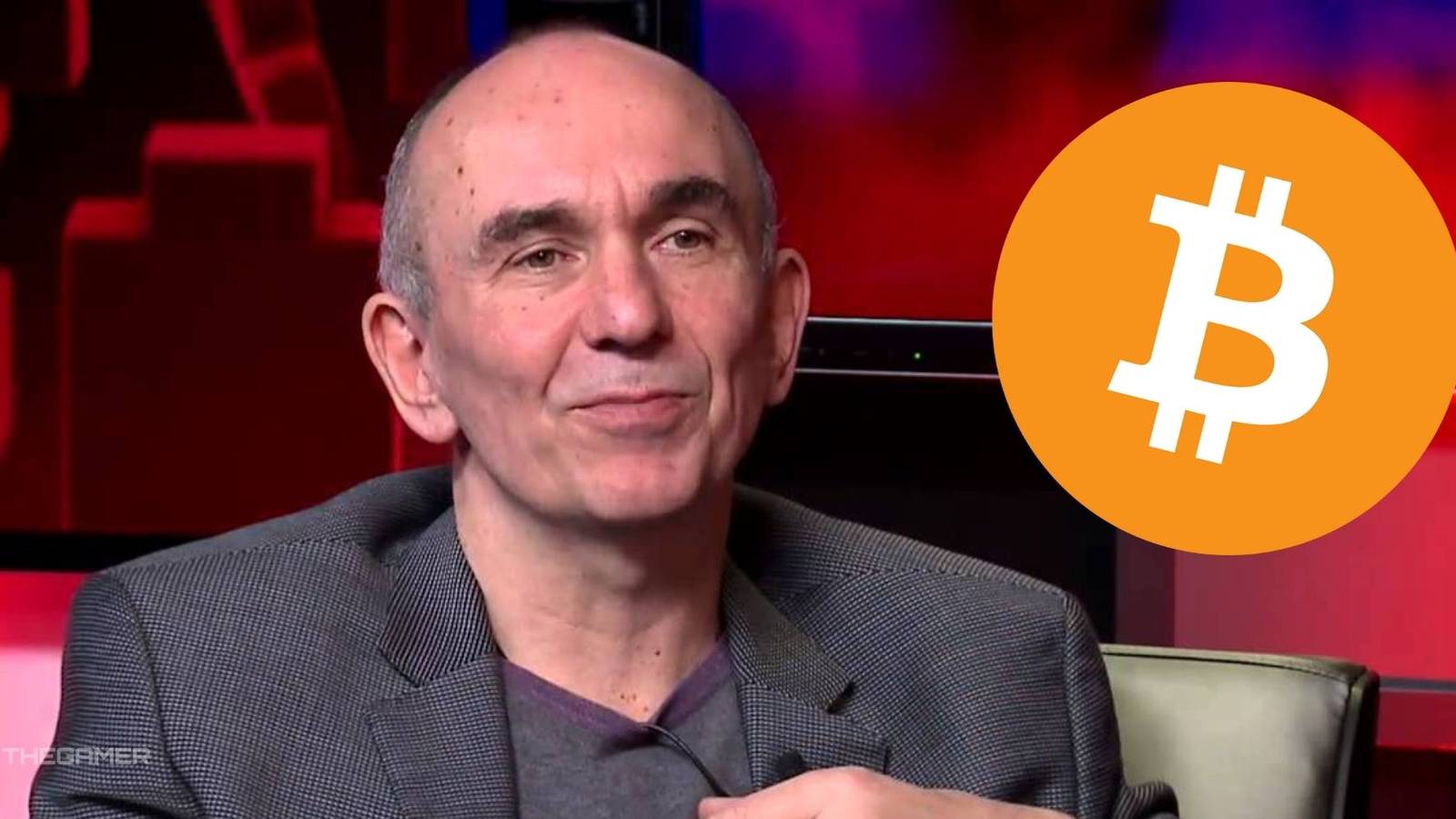
Peter Molyneux is a name that once carried mythic weight in the gaming world. The mind behind Populous, Dungeon Keeper, and Fable was hailed as a visionary—a godfather of god games. But behind the accolades lies a different legacy: one of overhype, unmet promises, and financial wreckage for those who believed too deeply.
While Molyneux wasn’t a scammer in the legal sense, his pattern of selling dreams far beyond what his teams could deliver left real people out millions, disillusioned, and wary of trusting developers again. This isn’t just about a failed game. It’s about the human cost of unchecked ambition and the players—investors, developers, and fans—who bore the brunt.
The Godus Gamble: When Vision Outran Reality
In 2012, Molyneux launched Godus on Kickstarter with a pitch that sounded like digital alchemy. He promised a god game that would evolve over time with live developer interaction, procedural worlds that remembered player choices, and a seamless blend of god simulation and strategy. The campaign raised $872,000—far exceeding its $400,000 goal.
What backers got was a stripped-down, buggy experience that barely resembled the demo. The core selling point—Molyneux himself responding to community decisions in real time—fizzled out after a few months. By 2017, the game was functionally abandoned, with 22cans (Molyneux’s studio) pivoting to mobile titles.
But the damage wasn’t just to expectations. It was to the trust of backers who treated the campaign like an investment.
The Investors Who Banked on a Legend
Molyneux didn't just rely on Kickstarter. His reputation helped him draw serious capital. 22cans secured venture funding based on the success of Godus and the promise of future projects. One notable backer was the venture capital firm Atomico, co-founded by Skype’s Niklas Zennström. While exact figures are undisclosed, sources suggest early investment in 22cans reached into the millions.
When Godus failed to gain traction, those funds—intended to fuel a new era of experimental gaming—were largely wasted. Atomico didn’t go under, but the investment became a cautionary tale in tech circles about backing personality over product.
Then there were angel investors—private individuals who believed in Molyneux’s aura. One such figure, a UK-based tech entrepreneur who requested anonymity, admitted losing “six figures” after personally funding early prototyping for Godus Wars, a planned expansion. The project was shelved without explanation.
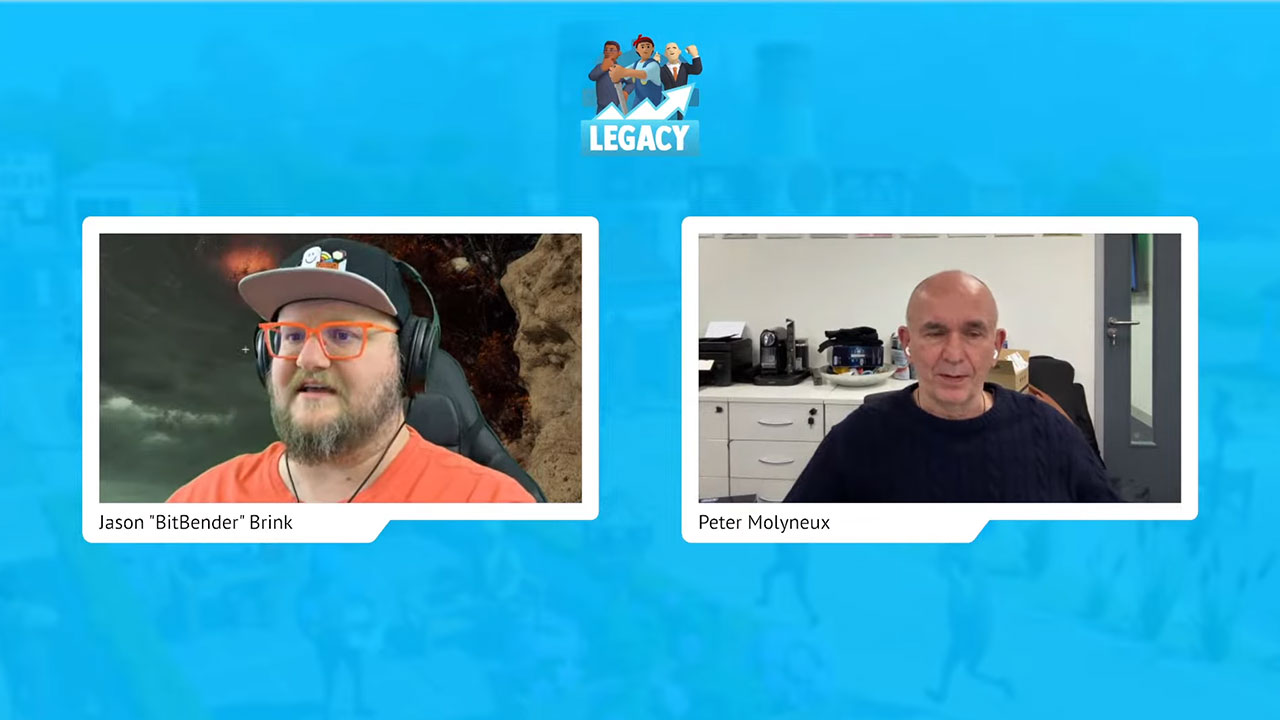
“I didn’t just lose money,” he said. “I lost faith in the idea that creativity and credibility go hand in hand in gaming.”
Developers Trapped in the Hype Machine
While investors lost cash, developers lost time—and sanity. The 22cans team, many of whom were hired with promises of working on revolutionary tech, found themselves stuck in a PR loop. Instead of building, they were patching, explaining, and managing community outrage.
One former lead programmer, who worked on Godus from 2013 to 2015, described the environment as “toxic optimism.”
“We were told every delay was part of the journey. Every missing feature was ‘coming soon.’ But internally, we knew the AI wasn’t working, the world generation was broken, and Peter’s vision was impossible with our resources.”
Morale plummeted. Salaries were modest compared to AAA studios, yet expectations were sky-high. When Microsoft acquired 22cans in 2016—not for Godus, but for its data analytics tech—many staff were quietly let go. Their contributions to a failed game became a stain on their portfolios.
Fans Who Paid More Than Money
Backers and fans might not have lost six-figure investments, but their losses were no less real.
Take Sarah Lin, a long-time Fable fan from Vancouver. She pledged $150 to Godus, not just for rewards, but because she believed in Molyneux’s promise of a “living world shaped by players.” Years of updates promised feature after feature—multiplayer, land evolution, godly diplomacy—none of which materialized.
“It felt like being gaslit by a developer,” she said. “Every update was cheerful, but the game stagnated. I stopped checking the forums. It hurt too much.”
For fans like Sarah, the loss wasn’t just financial. It was emotional. They had invested hope, time, and belief into a vision that evaporated.
The Fallout: Studios Closed, Trust Shattered
The Godus failure didn’t happen in a vacuum. It capped a decade of Molyneux overpromising.
- Fable II and Fable III were criticized for shallow mechanics masked by charm.
- Curiosity: What’s Inside the Cube?—a mobile experiment—promised a “life-changing” prize for the player who tapped the center cube. The winner received… a brief Skype call from Molyneux.
- Lionhead Studios, the company he co-founded, was shut down by Microsoft in 2016, just months after releasing the underwhelming Fable Legends.
Each misstep eroded credibility. But Godus was the breaking point. It proved that even with crowdfunding and freedom from publisher pressure, Molyneux couldn’t deliver.
/cdn.vox-cdn.com/uploads/chorus_image/image/70269281/112379621.0.jpg)
Developers who once admired him now speak cautiously. “He’s a great storyteller,” said a senior designer at a competing UK studio. “But if you’re building a business, you don’t hire a storyteller. You hire someone who ships.”
The Broader Warning: Hype as a Business Model
Molyneux’s legacy isn’t just about one failed game. It’s about a dangerous trend in creative industries: selling the dream before the product.
Indie developers now face pressure to launch trailers, teasers, and “roadmaps” before writing a single line of code. Platforms like Kickstarter and Patreon reward charisma and presentation, not reliability.
The Godus disaster revealed a flaw in this model:
- Backers act like investors but have no governance.
- Developers are incentivized to overpromise to survive.
- Visionary talk masks technical infeasibility.
Real-world consequence? A 2020 report by Indie Game Fallback found that 68% of crowdfunded games miss major features, and 31% never ship at all. Molyneux’s story is an extreme case, but it’s not unique.
What Could Have Been Done Differently
It’s easy to point fingers. But the Molyneux saga offers practical lessons for everyone involved:
For Investors - Treat developer reputation as one factor, not the only one. - Demand technical prototypes before funding. - Avoid emotional attachment to “vision.”
For Developers - Under-promise and over-deliver. It’s boring, but it works. - Use stretch goals responsibly—only for what’s technically feasible. - Communicate delays with honesty, not optimism.
For Backers - Treat crowdfunding as a donation, not an investment. - Research the team’s track record of delivery, not just their pitch. - Be skeptical of “revolutionary” claims without proof.
There’s no comeback for Godus. But there can be wisdom in its wreckage.
A Legacy Built on Broken Foundations
Peter Molyneux still speaks at conferences. He’s still interviewed as a “legend.” But ask anyone who lost money, time, or trust because of Godus, and you’ll hear a different story.
The players who lost big weren’t just investors or fans. They were believers in innovation, in creative freedom, in the idea that games could evolve beyond entertainment into art shaped by community. Molyneux sold them a future. Then he failed to build it.
That’s the real cost of his legacy—not the money lost, but the caution now etched into the industry. The next time a developer says, “This will change everything,” people will remember Godus. And they’ll hesitate.
For anyone touching game development, investing in tech, or backing a creative project: trust, but demand proof. Vision without execution is just noise.
Move forward—but with eyes open.
FAQ
Who funded Peter Molyneux’s 22cans studio? 22cans received funding from venture capital firm Atomico and private angel investors, in addition to $872,000 raised via Kickstarter for Godus.
Did Peter Molyneux scam anyone with Godus? Legally, no. But he was widely criticized for overpromising and failing to deliver key features, leading to accusations of misleading backers.
What happened to the Godus Kickstarter backers? Backers received a basic version of the game and some digital rewards, but most promised features—like multiplayer and evolving worlds—were never released.
Why did Lionhead Studios close? Microsoft shut down Lionhead in 2016 due to declining performance, creative missteps, and the commercial failure of Fable Legends, among other factors.
Is Godus still available to play? Yes, but it’s no longer updated. The game exists in a minimal, largely abandoned state.
Did Peter Molyneux admit fault for Godus failing? In a 2015 interview with Eurogamer, Molyneux admitted he “overpromised” and said it was the “biggest wakeup call” of his career.
What is Peter Molyneux doing now? He remains involved in gaming through advisory roles and public speaking, though he no longer leads major development projects.
FAQ
What should you look for in The Players Who Lost Big on Peter Molyneux’s Broken Promises? Focus on relevance, practical value, and how well the solution matches real user intent.
Is The Players Who Lost Big on Peter Molyneux’s Broken Promises suitable for beginners? That depends on the workflow, but a clear step-by-step approach usually makes it easier to start.
How do you compare options around The Players Who Lost Big on Peter Molyneux’s Broken Promises? Compare features, trust signals, limitations, pricing, and ease of implementation.
What mistakes should you avoid? Avoid generic choices, weak validation, and decisions based only on marketing claims.
What is the next best step? Shortlist the most relevant options, validate them quickly, and refine from real-world results.