When a voice actor tied to the globally beloved My Hero Academia franchise admitted to cheating on his girlfriend—and then issued a public apology that flopped—it wasn’t just a personal failure. It became a case study in how not to handle reputation damage in the digital age.
Apologies, especially from public figures, are high-stakes performances. Done right, they can soften criticism and open paths to redemption. Done poorly, they amplify the original offense. In this instance, a dual-role personality—voice actor and live streamer—miscalculated badly, turning a private betrayal into a public meltdown.
Now, fans, followers, and industry observers are left asking: Why did this apology fail so dramatically? And what does it reveal about the fragile relationship between online personas and accountability?
Who Is the Voice Actor at the Center of the Scandal?
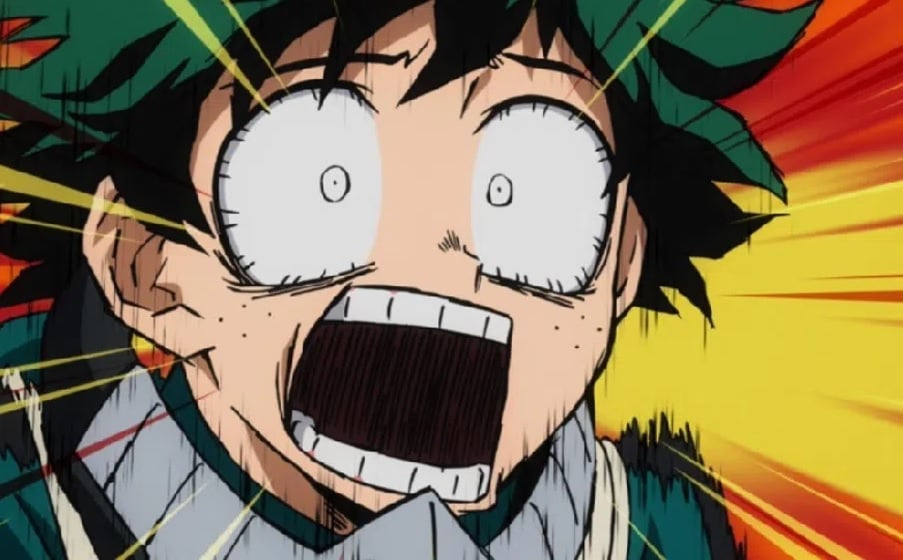
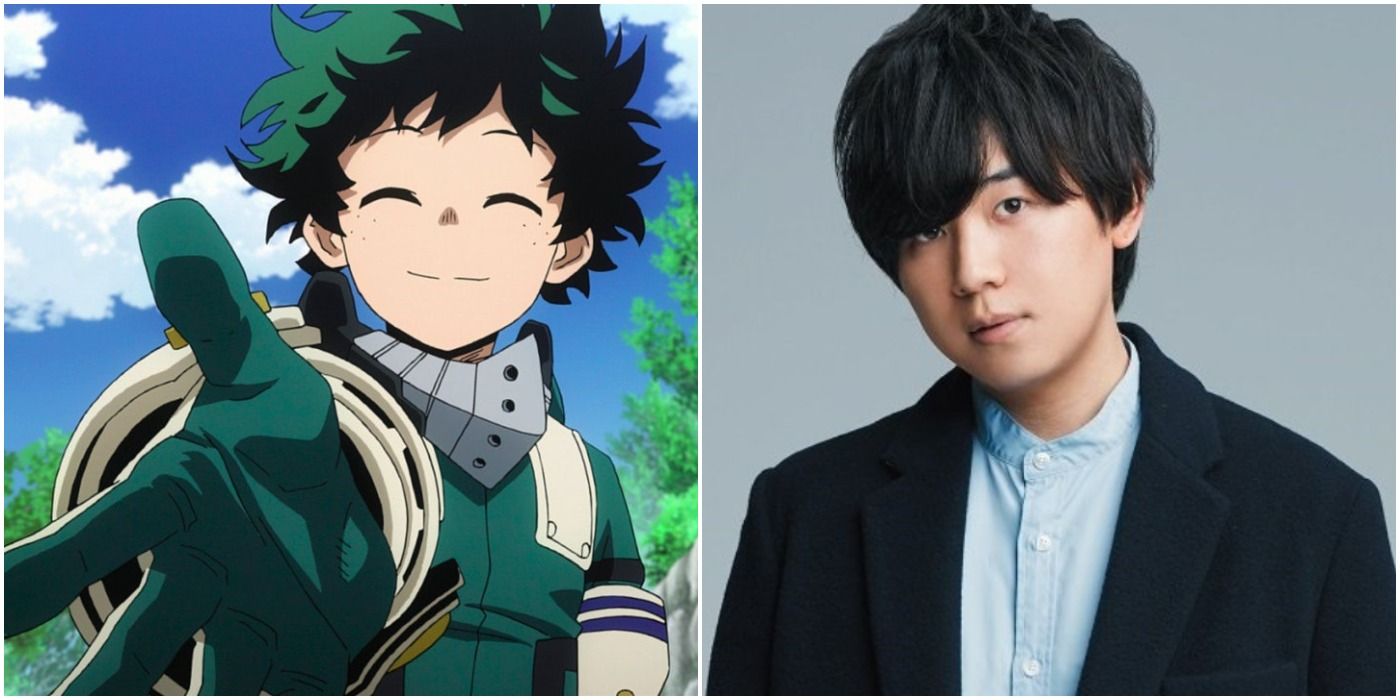
The individual in question is Sean Chiplock, an English dub voice actor known for his role as Hitoshi Shinso in My Hero Academia. He’s also an active streamer on platforms like Twitch, where he interacts regularly with fans, plays games, and shares aspects of his personal life.
This dual identity—as both a voice performer and a digital content creator—intensifies the scrutiny. Unlike voice actors who remain behind the scenes, Chiplock has cultivated a public-facing persona. His streams often blend humor, vulnerability, and fan engagement, creating a sense of intimacy.
That intimacy is precisely what made the cheating revelation so jarring. When personal betrayal comes from someone who regularly shares “authentic” moments online, the dissonance between image and reality feels especially sharp.
The Cheating Incident: What Happened Behind the Scenes?
While specific details remain private, reports from community insiders and leaked messages suggest Chiplock was involved in an emotional and possibly physical relationship with another woman while still in a committed relationship with his long-term girlfriend.
The affair reportedly lasted several weeks and came to light when private messages were shared in online forums. These messages allegedly included flirtatious exchanges and plans to meet in person during a convention trip—a scenario that many fans found difficult to reconcile with his usual on-screen and on-stream demeanor.
What made it worse was the timing: the affair allegedly occurred during a period when Chiplock had posted about relationship struggles on social media, painting himself as a devoted but conflicted partner. To fans, this felt like emotional manipulation—a performance of loyalty while acting in direct contradiction to it.
The Apology Video: Tone-Deaf and Self-Centered
Chiplock eventually released a 12-minute apology video on YouTube. The goal? Damage control. The result? A masterclass in how not to apologize.

Key missteps included: - Focus on his own pain: Instead of centering his girlfriend’s experience, he spent nearly half the video discussing his stress, anxiety, and career pressures. - Vague language: Phrases like “I made mistakes” and “I wasn’t in a good place” avoided direct acknowledgment of cheating. - No accountability: He never clearly said, “I cheated,” nor did he name the specific actions that hurt his partner. - Blame-shifting: He cited loneliness and work travel as contributing factors, implying situational justification rather than personal failure. - Appeal for forgiveness: He closed by asking fans to “give him space to grow,” which many interpreted as a demand for immediate absolution without earned redemption.
The video was widely criticized across Reddit, Twitter (X), and anime fan forums. Comments ranged from “This isn’t an apology, it’s a therapy session” to “He treated his girlfriend like a plot point in his redemption arc.”
Why the Apology Failed: The Psychology of Public Contrition
- Public apologies are judged not just on content, but on perceived sincerity. Research in social psychology shows that effective apologies require:
- Acknowledgment — naming the specific wrongdoing
- Responsibility — owning the action without excuses
- Remorse — showing genuine empathy for the harmed party
- Reparation — outlining steps to make amends
- Restraint — avoiding self-pity or defensiveness
Chiplock’s apology failed on nearly all counts.
By centering his own emotional state, he violated the core principle of apology: it must be about the victim, not the offender. When a public figure uses an apology to solicit sympathy, it often backfires—especially in communities like anime fandom, where emotional authenticity is highly valued.
Moreover, because Chiplock streams regularly, fans feel a parasocial bond. They don’t just watch him act—they know him, or at least believe they do. That bond raises expectations for moral consistency. When the behavior contradicts the persona, the betrayal feels personal.
Streaming Culture and the Myth of the “Relatable” Creator
This incident reflects broader issues in streaming culture. Many streamers build their brands on being “just like you”—funny, flawed, real. But that relatability comes with a trap: the more personal the content, the higher the stakes when personal failures go public.
Chiplock often shared stories about relationships, mental health, and loneliness—topics that resonate deeply with his audience. But when he used those same themes to contextualize his cheating, it felt exploitative. Fans accused him of weaponizing vulnerability: using real struggles as cover for bad behavior.
This isn’t the first time a streamer’s personal life has derailed their career. But in cases involving voice actors, there’s an added layer: their professional identity is tied to characters fans love. Shinso, for instance, is a complex character who struggles with self-worth and morality. Hearing those themes echoed by the actor—then discovering he used them to deflect blame—created cognitive dissonance for many viewers.
Fan Reaction: From Support to Skepticism
Immediately after the apology video, reactions split.
Some fans defended Chiplock, saying: - “Everyone makes mistakes.” - “He’s human, not a role model.” - “We don’t know the full story.”
But the dominant sentiment shifted quickly toward criticism. Longtime viewers pointed out patterns they’d noticed during streams—vague references to “relationship issues,” sudden mood swings, and inconsistent stories about his availability.
One Reddit thread, which gained over 2,000 upvotes, compiled timestamps from past streams where Chiplock seemed evasive or emotionally manipulative. Others noted that his girlfriend had supported his career publicly for years, even attending conventions and appearing in fan meetups.
When she posted a brief statement saying she was “heartbroken and healing,” support for her surged. Merchandise sales of Shinso-related content dropped noticeably on fan sites. Some fans began calling for dub cast reshuffles—though no official change has been announced.
Industry Implications: Can He Keep His Role?
Voice acting, unlike live-action roles, often allows performers to remain anonymous. But in the anime dubbing world, top talent are increasingly recognized by name. Fans follow their work across series, attend panels, and buy merchandise.
This visibility means misconduct can impact casting decisions. While Funimation (now Crunchyroll) hasn’t commented officially, precedent exists. Other voice actors have been recast following scandals involving harassment, racism, or abuse.
Chiplock’s future as Shinso is uncertain. Recasting is expensive and logistically complex, especially mid-series. But fan pressure and brand reputation may force the studio’s hand.
Behind the scenes, colleagues may also reassess working relationships. Apologies that fail publicly can damage professional trust—especially in tight-knit dubbing communities where actors record together and rely on rapport.
Lessons for Public Figures: How to (and How Not to) Apologize
Chiplock’s failed apology offers clear takeaways for anyone in the public eye:
Do: - Name the specific action: “I cheated” is clearer and more accountable than “I made poor choices.” - Speak about the harmed person, not as them. - Avoid excuses: “I was stressed” doesn’t erase the impact. - Apologize privately first—public statements should follow genuine reconciliation efforts. - Accept that forgiveness isn’t immediate or guaranteed.
Don’t: - Use your platform to self-soothe. - Frame your mistake as a “journey” or “growth opportunity” while the hurt is fresh. - Expect fans to protect you—your audience isn’t your support group.
A better apology would have been shorter, written, and posted without video drama. It would have acknowledged the girlfriend’s pain, taken full blame, and stayed offline until real amends were made.
Instead, the spectacle reinforced a growing skepticism toward influencer contrition—one that treats apologies as content, not consequence.
The Path Forward: Accountability Over Redemption
Redemption arcs are satisfying in fiction. In real life, they take time, consistency, and humility.
For Chiplock, the road back—if he chooses to walk it—requires silence, action, and distance from the spotlight. No more streams about “healing.” No merch drops. No convention appearances. Just accountability.
Fans will decide, collectively, whether his voice still belongs in My Hero Academia. But the real test isn’t audience forgiveness—it’s whether he can face the person he hurt without an audience at all.
The scandal isn’t just about cheating. It’s about what happens when the mask slips—and the performance doesn’t hold.
What mistakes should you avoid? Avoid generic choices, weak validation, and decisions based only on marketing claims.
What is the next best step? Shortlist the most relevant options, validate them quickly, and refine from real-world results.