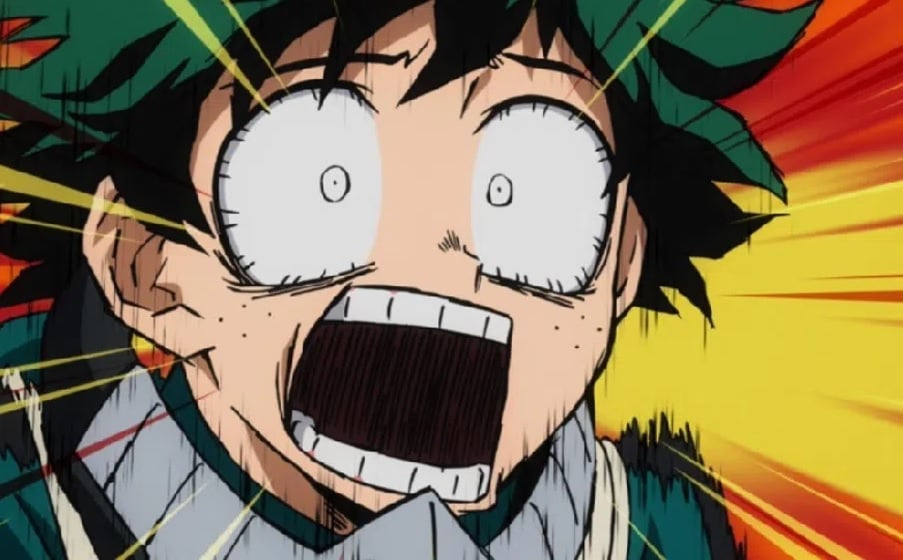
When a voice actor beloved for bringing a fiery fan-favorite My Hero Academia character to life took to social media to apologize for cheating on his long-term girlfriend, fans expected remorse. What they got instead was a cringe-inducing, tone-deaf monologue that only deepened the controversy. The apology didn’t just fail—it backfired spectacularly, igniting a firestorm across anime communities, streaming platforms, and fan forums.
The incident highlights a growing cultural tension: when public figures blur the lines between personal life and persona, how much authenticity do audiences expect? And when that trust is broken, can an apology ever be enough?
The Apology That Made Things Worse
The voice actor, known for voicing a major My Hero Academia character in the English dub and for his popular anime-focused Twitch streams, posted a 12-minute video to his YouTube channel titled “I Need to Be Honest.” In it, he admitted to being emotionally and physically unfaithful during a “rough patch” in his relationship.
On the surface, the admission seemed brave. But the delivery was anything but. He framed the betrayal as mutual, implied his girlfriend was emotionally distant, and repeatedly referenced how “exhausting” it was to maintain their relationship while managing his rising fame. Worse, he ended with: “I’ve learned my lesson, and I hope you all can forgive me.”
Fans were stunned. Comments flooded in calling the apology self-serving, lacking accountability, and shifting blame. One top-voted comment read: “You’re apologizing to the internet instead of the person you hurt. That says everything.”
The video was unlisted within 48 hours, but not before thousands downloaded and reuploaded it across Reddit, Twitter, and TikTok.
Why Fans Reacted So Strongly
The backlash wasn’t just about the cheating. It was about the pattern of behavior that the apology revealed—and how it clashed with the image he’d cultivated.
For years, this voice actor leaned into a wholesome online persona: the devoted boyfriend, the humble newcomer in voice acting, the nerdy streamer who celebrated anime values like loyalty and heroism. He often referenced his real-life relationship during streams, even joking about “relationship goals” with his girlfriend.
When he cheated, that image cracked. But the apology made it splinter.
Three key missteps fueled the outrage:
- Blame-Shifting
- Instead of owning his actions, he cited his girlfriend’s alleged emotional unavailability. This undermined any sense of responsibility and painted her as partially at fault.
- Audience-Centric Regret
- The apology targeted fans more than the person he wronged. Phrases like “I let you all down” prioritized public image repair over private reconciliation.
- Lack of Concrete Change
- He offered no details about therapy, boundaries, or steps to rebuild trust—only vague promises to “do better.”
Fans pointed out the irony: a man who voiced a hero championing self-sacrifice and integrity failed to live up to those ideals off-screen.
The Role of Persona in the Anime Streaming World

Voice actors who stream occupy a unique space. They’re not just performers—they’re influencers with parasocial relationships. Fans don’t just admire their work; they feel personally connected.
This duality amplifies expectations. When someone voices a character like Inasa Yoarashi or Koji Koda—figures tied to honor, passion, or empathy—fans associate those traits with the actor. The betrayal feels personal, even if the relationship was private.
Streaming culture complicates this further. Regular livestreams, IRL segments, and relationship banter create an illusion of intimacy. When the curtain drops and reality contradicts the performance, the dissonance is jarring.
Consider another case: a Demon Slayer dub actor who faced similar backlash after a breakup confession. His apology focused on privacy and mental health, avoided blaming his ex, and requested space. Though not universally accepted, it was seen as more respectful—and notably, he didn’t monetize his private life during streams.
This contrast shows that how influencers frame their personal lives shapes public perception when scandals hit.
Damage Control (or Lack Thereof)
After taking down the video, the voice actor issued a brief statement on Instagram: “I’ve reflected on my words and realize they fell short. I’m working on myself privately.” But damage control had already failed.
Sponsors paused collaborations. His next con appearance was quietly removed from the schedule. Twitch subscribers dropped by nearly 30% in two weeks.
More telling was the anime community’s response. Reddit threads dissected his past streams for “red flags.” Videos analyzing his dialogue delivery in My Hero Academia were reinterpreted as signs of performative empathy. Fans began calling for recasting, arguing that his performance now felt “inauthentic.”
While outright recasting remains unlikely—union contracts and production logistics prevent casual changes—the sentiment reflects a shift: audiences are less willing to separate art from artist, especially when the artist invites personal connection.
The Bigger Issue: Accountability in Niche Communities
This scandal isn’t isolated. It’s part of a broader conversation about accountability in anime, gaming, and voice acting circles—spaces historically lenient toward problematic behavior.
Too often, transgressions are brushed aside with “cancel culture is too harsh” or “he’s still talented.” But when public figures profit from intimacy—sharing birthdays, anniversaries, and therapy journeys with fans—they invite higher scrutiny.
The apology failed because it didn’t meet the moment. It wasn’t about asking fans to forgive; it was about demonstrating growth. Instead, it felt like crisis management.
Compare it to a voice director who admitted to workplace harassment in 2022. His apology included: - A direct, public message to those affected - Steps taken (stepping down, undergoing training) - No excuses or justifications
He didn’t regain his position, but he was seen as taking real accountability.
This case lacked all three elements. There was no direct message to his ex. No announced consequences. No structural change—only words.
What a Real Apology Would’ve Looked Like
A sincere apology in this context wouldn’t have erased the betrayal, but it could have preserved some dignity. Here’s what it might have included:
- Direct Address: A message to his ex, not filtered through a livestream.
- Ownership: “I chose to cheat. My workload, stress, or emotions don’t excuse that.”
- No Public Details: Avoiding airing private relationship issues for public consumption.
- Action Steps: Mention of therapy, separation, or personal boundaries going forward.
- Silence on Fan Expectations: Removing “I let you down” in favor of “I hurt someone I love.”
It wouldn’t have guaranteed forgiveness, but it would have shown maturity.
Instead, the apology leaned into performance—scripted, edited, and uploaded like content. That’s the core issue: treating a personal failure like a PR campaign.
Lessons for Creators in the Spotlight For streamers, voice actors, and influencers in anime-adjacent spaces, this incident serves as a cautionary tale.
- Curate Persona with Caution
- If you share your relationship publicly, be prepared for scrutiny when things go wrong. Wholesome branding is a double-edged sword.
- Separate Private Pain from Public Content
- Struggling in a relationship? Seek therapy, not audience sympathy. Turning private issues into content erodes authenticity when crises hit.
- Apologize to the Right Person First
- The audience isn’t your confessional. Make amends privately before going public—if you go public at all.
- Understand the Weight of Your Role
- You’re not just a streamer. You’re a voice behind heroic ideals. That invites higher expectations.
- Prepare for Fallout
- One poorly handled moment can undo years of goodwill. Have a crisis plan that prioritizes integrity over image.
Moving Forward—For Fans and Figures Alike
The fallout from this apology isn’t just about one man’s mistake. It’s about what we demand from the people we celebrate.
Fans have every right to feel disappointed. Not because they’re entitled to a voice actor’s personal life, but because he invited them in—then broke trust on multiple levels.
For creators, the message is clear: authenticity isn’t a branding strategy. It’s a practice. You can’t perform integrity in a script and expect it to hold when real life demands it.
As for the voice actor? Only time will tell if he rebuilds credibility. But for now, the echo of his failed apology reminds us all: in the age of parasocial intimacy, actions—and words—carry weight far beyond the screen.
FAQ
Did the voice actor name the person he cheated with? No, he did not disclose the identity of the other person involved, citing privacy concerns.
Is he still voicing his character in My Hero Academia? As of now, he remains credited in recent episodes, and there’s been no official announcement of recasting.
Did his girlfriend respond publicly? She deleted her social media accounts shortly after the video surfaced and has not made any public statements.
Have sponsors officially cut ties? Some brands paused promotions, but no major sponsor has issued a formal termination statement.
Was the apology video monetized? Yes, the original upload had ads enabled, which led to further criticism about profiting from a personal scandal.
Are fans organizing a petition for recasting? Yes, a Change.org petition has gained over 15,000 signatures, though it has not influenced production decisions.
Could this affect future dubbing roles? It’s likely. Casting directors often consider public image, and reputational damage can limit future opportunities.
FAQ
What should you look for in My Hero Academia Voice Actor and Streamer Apologizes After Cheating Scan? Focus on relevance, practical value, and how well the solution matches real user intent.
Is My Hero Academia Voice Actor and Streamer Apologizes
After Cheating Scan suitable for beginners? That depends on the workflow, but a clear step-by-step approach usually makes it easier to start.
How do you compare options around My Hero Academia Voice Actor and Streamer Apologizes After Cheating Scan? Compare features, trust signals, limitations, pricing, and ease of implementation.
What mistakes should you avoid? Avoid generic choices, weak validation, and decisions based only on marketing claims.
What is the next best step? Shortlist the most relevant options, validate them quickly, and refine from real-world results.