The night of the White House Correspondents' Dinner turned chaotic when an apparent shooting disrupted the event, sending guests scrambling. In the aftermath, actress Mia Farrow made headlines not for her fashion or red carpet appearance—but for a bold accusation: she suggested Donald Trump may have staged the incident to boost his approval ratings. The claim, shared across social media and amplified by sympathetic outlets, ignited fierce debate about the boundaries of political theater, the credibility of celebrity commentary, and the public’s growing susceptibility to conspiracy thinking.
Farrow’s tweet—short, incendiary, and unapologetically speculative—read: “Convenient timing. Trump’s polling drops, then a ‘shooting’ at WHCD. Suspiciously boosts his ‘under siege’ narrative. Coincidence? I think not.” Within hours, the post went viral, liked and retweeted tens of thousands of times, drawing both staunch support and scathing criticism. While no evidence supports the claim, its viral spread reveals deeper anxieties about political authenticity and the erosion of trust in public events.
The Origins of the Claim
Mia Farrow, long known for her activism in humanitarian causes and political advocacy, has not shied away from controversial statements—particularly those critical of Donald Trump. Her opposition to Trump dates back to the 2016 election cycle, where she frequently used her platform to denounce his policies and rhetoric. This latest accusation, however, crosses a threshold from political critique into outright conspiracy theorizing.
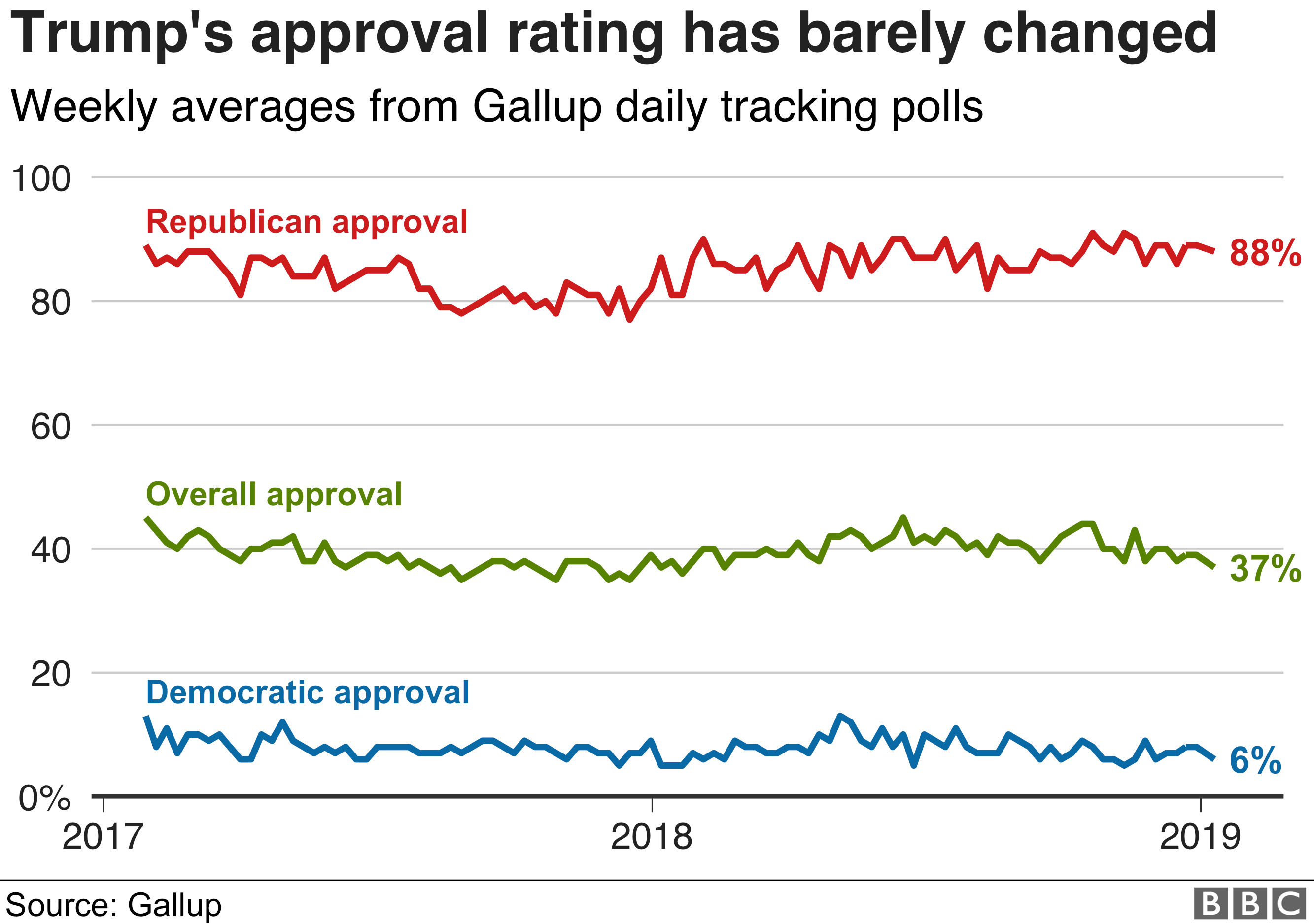
The suggestion hinges on narrative convenience: Trump’s approval ratings had dipped in several national polls in the weeks prior to the WHCD incident. Simultaneously, media coverage of him had shifted toward economic concerns and legal challenges. Then, abruptly, the shooting dominated headlines—reframing Trump once again as a central figure in a national crisis. Farrow posited that the timing was too perfect to be accidental.
Her theory draws from a broader cultural script: the idea that political figures manufacture crises to consolidate power. While historically rooted in real events—such as the Reichstag fire or certain Cold War operations—the application of such logic to a modern U.S. president without evidence remains highly controversial.
Why the Theory Gained Traction
Conspiracy theories thrive in moments of uncertainty—and the WHCD shooting created fertile ground. Initial reports were fragmented, live footage was limited, and law enforcement took hours to confirm the shooter’s identity and motives. In that information vacuum, speculation flourished.
Farrow’s status as a recognizable celebrity lent the theory visibility it might otherwise lack. Her 1.2 million Twitter followers include journalists, activists, and influencers—many predisposed to distrust Trump. The claim didn’t need proof to spread; it needed plausibility to a segment of the population already skeptical of his leadership.
Moreover, Farrow’s phrasing played into existing narratives: Trump often portrays himself as a target—of the media, of political opponents, of foreign actors. By surviving a public attack, he gains symbolic capital: resilience, martyrdom, and renewed public sympathy. Farrow implied the entire scenario was engineered to exploit that psychology.
Social media algorithms further amplified the theory. Platforms like X (formerly Twitter) and Truth Social reward engagement, not accuracy. Posts questioning the “official story” generate outrage, clicks, and shares—regardless of merit. Within 24 hours, hashtags like #StagedWHCD and #TrumpCrisisActor began trending among certain political communities.
The Role of Celebrity in Shaping Political Discourse
Celebrities have long influenced public opinion, but the digital age has magnified their reach and impact. Figures like Farrow, George Clooney, or Rosie O'Donnell don’t just endorse candidates—they now shape narratives, often bypassing traditional media gatekeepers.
This power comes with responsibility—and risk. When celebrities make unsubstantiated claims, they risk normalizing misinformation. Farrow’s suggestion, while framed as skepticism, lacks evidentiary basis. No credible outlet has reported anomalies in the investigation, and law enforcement confirmed the shooter acted alone, motivated by anti-establishment rage.
Still, her influence persists. According to a 2023 Pew study, 37% of Americans say they “sometimes” believe political claims made by celebrities they trust—especially if those claims align with their worldview. For supporters of Farrow’s political stance, her words carry weight. For others, they exemplify how celebrity activism can veer into reckless territory.
Consider the aftermath: conservative media labeled Farrow’s comment “dangerous” and “un-American.” Liberal commentators were divided—some defended her right to question authority, while others distanced themselves, calling the claim “baseless and harmful.” The split reflects a larger cultural fracture: how much skepticism is healthy, and when does it tip into conspiracy?
Analyzing the Plausibility of the Staging Theory For any theory to be taken seriously, it must meet basic thresholds of feasibility. Let’s dissect Farrow’s claim through that lens.
First, operational complexity: staging a public shooting at a high-security event like the WHCD would require coordination across multiple levels—neutralizing security, planting an asset, ensuring controlled chaos, and managing aftermath narratives. The WHCD is attended by Secret Service, FBI liaisons, and local law enforcement. The idea that such an operation could be executed without a leak strains credibility.
Second, motive: while a temporary bump in approval ratings post-crisis is common—historically seen after events like 9/11 or the Boston Marathon bombing—it is unpredictable and short-lived. Political scientists refer to this as the “rally ’round the flag” effect. However, it’s not something a leader can reliably engineer—especially when the risks (real harm, legal exposure, loss of control) far outweigh potential gains.
Third, precedent: there is no verified case in modern U.S. history of a sitting or former president orchestrating a violent incident to manipulate public opinion. Even in controversial cases like COINTELPRO or Watergate, the abuses involved surveillance and sabotage—not fabrication of armed attacks.
That said, public trust in institutions has eroded. A 2024 Gallup poll found only 32% of Americans trust the mainstream media “a great deal” or “a fair amount.” Distrust in government, law enforcement, and even medical institutions has grown. In this environment, even implausible theories find purchase.
The Danger of Normalizing Political Conspiracy
The real risk in Farrow’s claim isn’t the idea itself—but its normalization. When influential figures float theories without evidence, they contribute to a culture where facts are secondary to narrative. Over time, this undermines democratic discourse.
For example, the “Pizzagate” conspiracy began as a fringe theory but led to real-world violence. The Capitol riot on January 6 was fueled, in part, by unfounded claims of election fraud. History shows that conspiracy thinking doesn’t stay online—it spills into streets, courtrooms, and polling places.
Farrow’s comment, while not directly violent, fits a pattern: using emotional language to question reality. Phrases like “I think not” or “convenient timing” are rhetorical tools that imply knowledge without providing proof. They invite followers to “connect the dots” themselves—often in misleading ways.
This isn’t about silencing criticism. Trump has faced legitimate scrutiny over his conduct, finances, and legal issues. But conflating valid accountability with baseless speculation harms accountability itself. It gives defenders of power a ready-made defense: “If they’re accusing him of staging shootings, why believe anything they say?”

Media’s Role in Amplifying the Narrative
The media bears partial responsibility for the spread of Farrow’s claim. While major outlets like CNN and The New York Times reported her tweet, they often did so without sufficient context. Headlines like “Mia Farrow Suggests Trump Staged WHCD Shooting” were factual—but lacked immediate rebuttal or investigative follow-up.
This creates a perception problem: repetition increases perceived truth. Even debunking a false claim can reinforce it in the public mind. Psychologists call this the “illusory truth effect.” When people hear a statement multiple times—even if labeled false—they’re more likely to believe it over time.
Ethical reporting in such cases requires balance: acknowledge the statement, clarify its lack of evidence, and contextualize it within broader misinformation trends. Some outlets succeeded; others failed. The result? A portion of the public now associates Trump with a staged shooting—even if they can’t recall the source.
What This Means for Public Discourse
Mia Farrow’s suggestion that Trump staged the WHCD shooting is less about Trump—and more about us. It reflects a society where trust is fragmented, information is weaponized, and celebrity voices carry disproportionate weight.
It also highlights a troubling trend: the blurring line between political critique and conspiracy. There’s nothing wrong with questioning authority. But when speculation replaces evidence, the foundation of democratic debate weakens.
Moving forward, consumers of news must adopt greater media literacy. Ask: Who is making the claim? What evidence exists? What might their motive be? And crucially: what would it take to disprove this?
For public figures like Farrow, the responsibility is greater. Influence demands accountability. Suggesting a former president orchestrated violence to gain popularity isn’t edgy—it’s dangerous, especially in a climate where political extremism is rising.
Closing: Think Before You Amplify
Conspiracy theories don’t win elections—but they shape them. They influence voter behavior, media coverage, and even policy debates. When celebrities or influencers float unverified claims, they aren’t just sharing opinions. They’re altering the information ecosystem.
Mia Farrow’s comment about Trump and the WHCD shooting may fade in time. But the pattern it represents won’t. The next crisis will bring new speculation, new accusations, new viral moments. The only defense is vigilance: demanding evidence, questioning narratives, and refusing to reward outrage over truth.
Before sharing that next incendiary post, ask one question: Am I spreading information—or just noise?
FAQ
Did Mia Farrow provide evidence for her claim? No, Farrow offered no evidence—her statement was speculative, based on timing and narrative coincidence.
Has Donald Trump responded to the accusation? As of now, Trump has not directly addressed Farrow’s claim, though allies have denounced it as “ludicrous” and “typical liberal hysteria.”
Was the WHCD shooting investigated thoroughly? Yes, the incident was investigated by the DC Metropolitan Police and FBI. The shooter was identified, and no links to political coordination were found.
Why would someone believe such a theory? People are more likely to believe conspiracies when they distrust institutions, align with the speaker’s worldview, or feel uncertain about official narratives.
Are celebrities responsible for the impact of their statements? With great reach comes great responsibility. While free speech protects opinion, influential figures should consider the societal impact of unsubstantiated claims.
Has Farrow made similar claims before? Yes, Farrow has previously accused political figures of manipulation and cover-ups, particularly in relation to intelligence operations and foreign policy.
Can conspiracy theories cause real harm? Absolutely. They can erode trust, incite violence, and distract from real issues—making constructive dialogue more difficult.
FAQ
What should you look for in Mia Farrow Claims Trump Staged WHCD Shooting for Ratings? Focus on relevance, practical value, and how well the solution matches real user intent.
Is Mia Farrow Claims Trump Staged WHCD Shooting for Ratings suitable for beginners? That depends on the workflow, but a clear step-by-step approach usually makes it easier to start.
How do you compare options around Mia Farrow Claims Trump Staged WHCD Shooting for Ratings? Compare features, trust signals, limitations, pricing, and ease of implementation.
What mistakes should you avoid? Avoid generic choices, weak validation, and decisions based only on marketing claims.
What is the next best step? Shortlist the most relevant options, validate them quickly, and refine from real-world results.