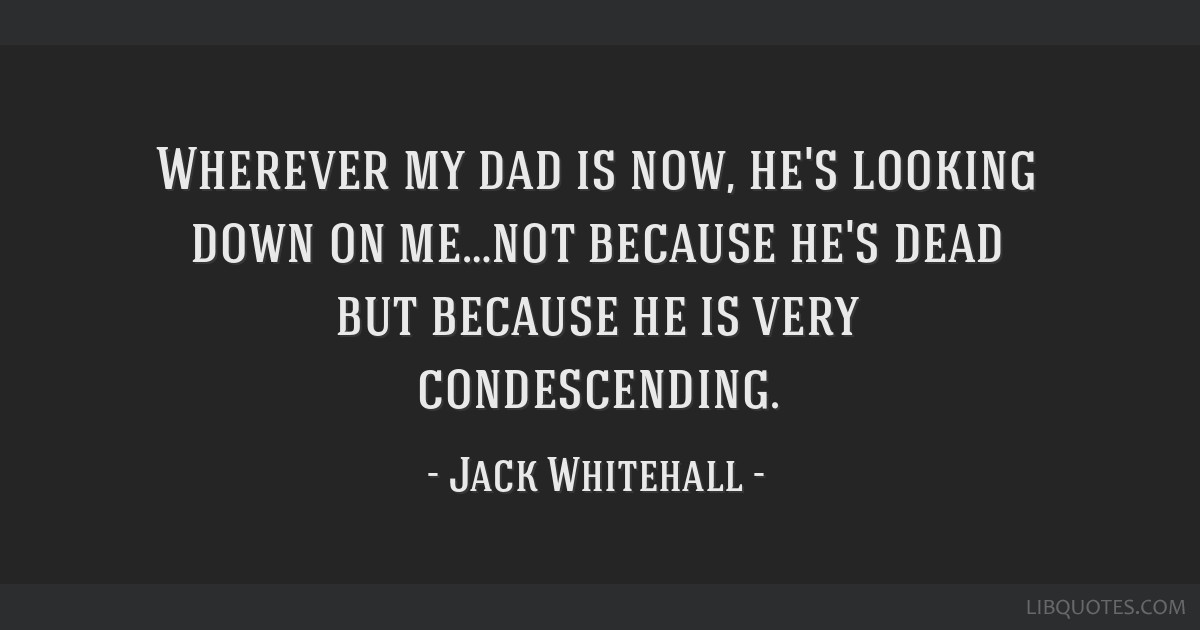
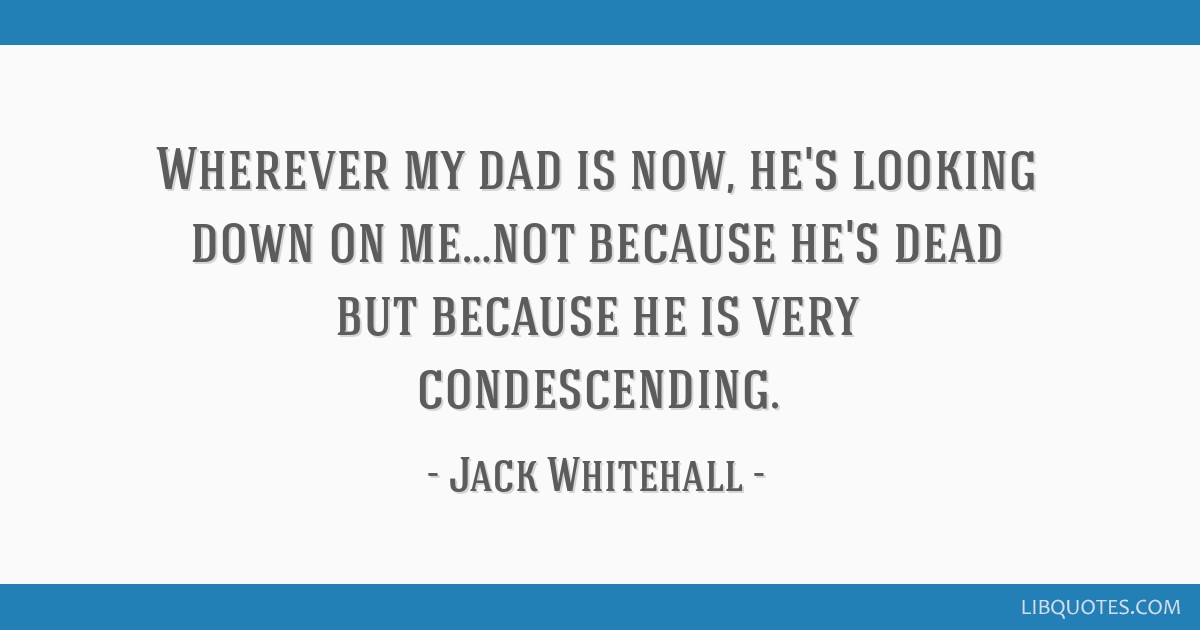
Jack Whitehall’s iconic joke—“I’m sure wherever my dad is, he’s looking down on us. He’s not dead, just very”—is more than a punchline. It’s a cultural snapshot, a masterclass in comedic timing, and a surprisingly sharp lens through which we can examine honesty, workplace dynamics, and the quirks of human behavior.
The humor works because it feels true. It’s rooted in the awkwardness of familial relationships, the British stiffness of emotional expression, and the universal tendency to use comedy as a shield. But beneath the laughter lies a deeper commentary on how we communicate (or fail to), how we perform in professional settings, and what we avoid confronting in ourselves.
This quote of the day by Jack Whitehall isn’t just a throwaway line—it’s a mirror. And in that reflection, we find lessons worth studying.
The Anatomy of a Perfect Comedic Lie
Comedy thrives on misdirection. Whitehall’s quote sets up a classic expectation: “looking down on us” immediately conjures images of a deceased loved one watching from the afterlife. But the twist—“He’s not dead, just very”—undermines the sentiment with brutal, hilarious honesty.
What makes this effective?
- Subverted expectation: The audience leans into grief, only to be snapped back into reality.
- Emotional avoidance: It exposes how people use euphemisms to dodge real conversation.
- Relatability: Many have a family member who’s emotionally distant but physically present.
This kind of humor isn’t just entertainment—it’s social observation. Comedians like Whitehall highlight emotional disconnects that most of us experience but rarely name. In workplaces, homes, and friendships, we often say things we don’t mean, or avoid saying anything at all.
Practical takeaway: The next time you catch yourself softening a truth with a cliché (“I’m fine,” “We’ll see”), ask: Am I being honest, or just socially polite?
Honesty in a Culture of Polite Fiction
British culture, especially in professional settings, often prizes restraint over revelation. Emotions are managed, conflicts are minimized, and feedback is wrapped in layers of “sorry to bother you, but…”
Whitehall’s joke exposes this. His father isn’t dead—he’s just very what? Disapproving? Unreachable? Judging from the couch? The blank space speaks volumes. It’s the same space where real conversations go to die in offices, boardrooms, and team meetings.
Consider a common workplace scenario:
A junior employee notices a flaw in a senior colleague’s presentation. Instead of speaking up, they say, “It’s really strong—just a few tiny bits might need another look… if you wanted?”
This is the corporate cousin of “He’s not dead, just very.” It’s honesty deferred, diluted, and ultimately ineffective.
Common mistake: Mistaking politeness for professionalism. Better approach: Direct but respectful communication. “I noticed a discrepancy in the data on slide four—can we double-check the source?”
Whitehall’s joke reminds us that unspoken truths don’t disappear. They fester. Whether it’s a father’s silent disapproval or a manager’s unaddressed feedback, what’s left unsaid often matters more than what’s spoken.
Work Culture and the Performance of Normalcy
Whitehall’s comedy, especially in Travels with My Father, hinges on the performance of normalcy. Father and son tour the world, engaging in extreme activities, while barely addressing their emotional distance. The spectacle masks the silence.
Sound familiar?
Many workplaces operate the same way. Teams hit KPIs, attend endless meetings, and celebrate “wins” while avoiding deeper issues: burnout, lack of trust, misaligned values. The show must go on—even if no one is really present.
Realistic use case: A tech startup launches a successful product. The CEO praises the team in an all-hands, but no one mentions the 80-hour weeks, the three resignations in two months, or the fact that the lead developer hasn’t taken a vacation in a year.
This is the professional version of “He’s not dead, just very tired, isolated, and questioning his life choices.” But saying that out loud? That would break the act.
Workflow tip: Build “truth intervals” into team rhythms. Not just retrospectives on projects, but check-ins on well-being. Ask: What’s going unsaid right now? Make space for answers.
Human Nature: Why We Avoid the Obvious
The genius of Whitehall’s quote is that it names the unnamed. His father is looking down on them—from a physical and emotional distance. He’s present but detached. Engaged but uninvolved.
This dynamic isn’t unique to families. It’s a pattern in human behavior:
- The bystander effect: People assume someone else will act.
- Pluralistic ignorance: Everyone thinks others are fine, so no one speaks up.
- Passive presence: Being in a room but not in the moment.
In teams, this shows up as disengagement. In relationships, as emotional drift. In leadership, as silent approval of dysfunction.
Whitehall’s humor cuts through the fog. By joking about his father’s aloofness, he acknowledges it. And in that acknowledgment, there’s a strange kind of connection.
Example: In Travels with My Father, the more Michael Whitehall rolls his eyes, the more Jack pushes. The conflict is the bond. The tension is the relationship.
The lesson? Avoiding discomfort doesn’t eliminate it. It just makes it harder to resolve.
Comedy as a Tool for Emotional Intelligence
Great comedians aren’t just funny—they’re perceptive. They see the patterns we ignore, the lies we accept, and the truths we laugh at because they hurt too much to cry.
Jack Whitehall uses self-deprecation and irony to expose emotional avoidance—his own and his father’s. But in doing so, he models something rare: awareness.
For professionals, this is valuable. Emotional intelligence isn’t just about empathy—it’s about naming what’s happening.
Instead of saying: > “Everything’s fine.”
Try: > “I’m struggling to engage today—personal stuff. I’ll catch up by Friday.”
That’s not weakness. It’s clarity. And it starts with recognizing the “not dead, just very” moments in your own life.
Actionable insight: Keep a “Whitehall Journal”—a private log where you write the unspoken truths from meetings, conversations, or family interactions. Over time, you’ll spot patterns in how avoidance shows up—and how to address it.
The Line Between Joke and Revelation
Not all truths need to be stated seriously. Sometimes, the best way to confront a hard truth is through humor.
Whitehall doesn’t say, “My father and I are emotionally stunted and struggle with vulnerability.” He says, “I’m sure wherever my dad is, he’s looking down on us. He’s not dead, just very.”
And in that joke, the truth slips through.
This is the power of comedic insight: it disarms resistance. People will laugh at a truth they’d argue with if stated directly.
Use case in leadership: A manager opens a meeting with: “I know we’re all pretending we’re not overwhelmed—just like Jack Whitehall’s dad pretending he’s not judging us from the sofa. Let’s drop the act and talk real workload.”
Suddenly, a team that was nodding politely is engaged in honest dialogue.
Humor, when used skillfully, isn’t evasion—it’s a bridge.
Why This Quote of the Day Still Resonates
“Quote of the day” features often highlight wisdom from philosophers, CEOs, or historical figures. But sometimes, the most insightful lines come from comedians.
Because comedy forces compression. It must deliver truth in seconds. There’s no room for fluff.
Whitehall’s line works because it’s:
- Concise: 17 words, maximum impact.
- Layered: Family, emotion, culture, denial.
- Universal: Everyone knows someone who’s “not dead, just very.”
It’s not just a quote. It’s a diagnostic tool. Where in your life are you using humor to avoid a conversation? Where are you “looking down” from a distance, emotionally unavailable?
Closing: Speak the Unfinished Sentence
Jack Whitehall’s joke ends with “just very”—but life doesn’t have to.
The best response to humor like this isn’t just laughter. It’s reflection. It’s finishing the sentence.
He’s not dead, just very… - Disconnected - Critical - Overwhelmed - Afraid to say “I love you”
Whatever fills the blank, name it.
In work, in relationships, in leadership—lean into the discomfort. Replace polite fiction with honest connection. Use humor not to hide, but to reveal.
Because the people we work with, live with, and love don’t need perfection. They need presence.
And that starts with saying what we really mean.
FAQ
What is Jack Whitehall’s most famous quote? “I’m sure wherever my dad is, he’s looking down on us. He’s not dead, just very” is one of his most quoted lines, often cited for its comedic precision and emotional insight.
Is Jack Whitehall’s dad actually alive? Yes, Michael Whitehall is alive and has appeared alongside Jack in shows like Travels with My Father and Jack Whitehall: I’m Only Joking.
What does “looking down on us” mean in this context? It’s a play on the phrase typically used for deceased loved ones watching from heaven. Jack subverts it to highlight his father’s physical presence but emotional distance.
How does Jack Whitehall use humor to discuss family? He uses irony, exaggeration, and self-deprecation to explore the awkwardness and affection in his relationship with his father, turning personal dynamics into universal comedy.
What can we learn about honesty from Jack Whitehall’s comedy? His jokes reveal how people avoid direct communication, especially in British culture. The humor underscores the cost of politeness when it replaces truth.
Why is this quote relevant to work culture? It mirrors how teams and leaders often mask issues with performance, avoiding difficult conversations just as Jack’s family avoids emotional honesty.
Can comedy help improve emotional intelligence? Yes—when used mindfully, comedy can expose blind spots, reduce tension, and open space for genuine dialogue, especially around difficult topics.
FAQ
What should you look for in Jack Whitehall's Quote of the Day: Humor, Honesty, and Human Truths? Focus on relevance, practical value, and how well the solution matches real user intent.
Is Jack Whitehall's Quote of the Day: Humor, Honesty, and Human Truths suitable for beginners? That depends on the workflow, but a clear step-by-step approach usually makes it easier to start.
How do you compare options around Jack Whitehall's Quote of the Day: Humor, Honesty, and Human Truths? Compare features, trust signals, limitations, pricing, and ease of implementation.
What mistakes should you avoid? Avoid generic choices, weak validation, and decisions based only on marketing claims.
What is the next best step? Shortlist the most relevant options, validate them quickly, and refine from real-world results.